Key Findings
- The PRC frames AI as a foundational strategic technology and uses national plans, regional compute hubs, local incentives, and data policies to expand hardware and software infrastructure.
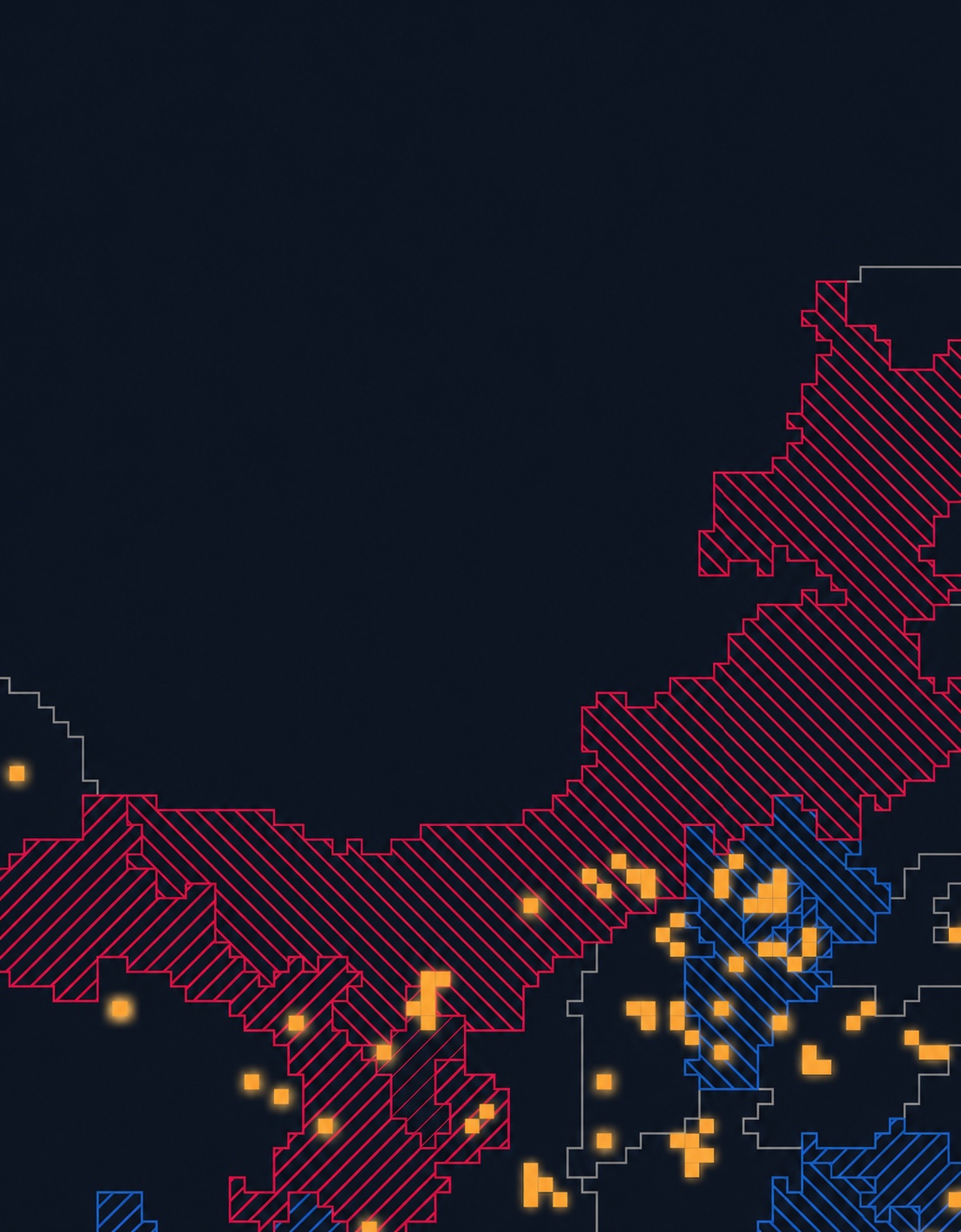
- Strider’s open-source collection identified PRC-owned AI data centers across PRC administrative regions, alongside facilities outside China in Southeast Asia.
- The report finds that data center stakeholders include owners, operators, technology providers, parent companies, government entities, universities, and research institutes with varying links to military, defense, and restricted entities.
- Case studies show that selected AI computing facilities promote or support military-relevant functions, including smart military solutions, unmanned systems development, combat data analysis, and intelligent transportation.
- The report says PRC AI model and algorithm approvals indicate rapid ecosystem growth, while public approval lists may omit systems intended for internal, military, or intelligence uses.
Overview
China’s AI Infrastructure Surge is a joint Strider and SCSP report on how PRC data centers and AI models support Beijing’s AI ambitions, military modernization, and overseas connections. It combines Strider’s proprietary data with open-source collection and SCSP policy and national security expertise. The report reviews PRC AI policy, compute infrastructure, data center geography and stakeholders, selected facility case studies, approved AI services and algorithms, and recommendations for policymakers and industry. It argues that the PRC is pursuing a state-directed buildout rather than a conventional market trend, using national policies, local subsidies, compute access mechanisms, and software support to accelerate AI development. Principal findings describe a widespread AI data center expansion, stakeholder links to the PLA, the defense industrial base, and restricted entities, continued reliance on foreign software in some facilities, and emerging military and security uses of AI models. The report’s policy relevance centers on export controls, licensing for critical software tools, monitoring of overseas PRC infrastructure projects, research partnership risk, and industry measures to reduce technology transfer and talent targeting risks.
To safeguard technological leadership, the U.S. must match the urgency of China’s AI infrastructure strategy with a coherent, whole-of-nation response.
SCSP
Recommendations
- Restrict Security-Relevant AI Infrastructure Developers. The U.S. Commerce Department’s Bureau of Industry and Security should continually monitor players in this space to ensure U.S.
- Strengthen International Collaboration to Monitor and Counter PRC AI Infrastructure Expansion. The U.S. should launch a multilateral effort with Five Eyes and like-minded allies to track PRC AI infrastructure projects abroad—particularly in BRI…
- Leverage PRC Dependence on Foreign Software to Apply Strategic Pressure. The U.S. and its allies need to develop a targeted export control and licensing regime for critical software tools that are currently embedded in PRC…
- Monitor PRC Activity. Companies should track PRC statecraft tactics in close to real-time and identify when those tactics intersect with people and technology, enabling a…
From the report
Documents
Publication
Published by the Special Competitive Studies Project. Co-publishers and external authors, where they exist, are credited in the byline above.